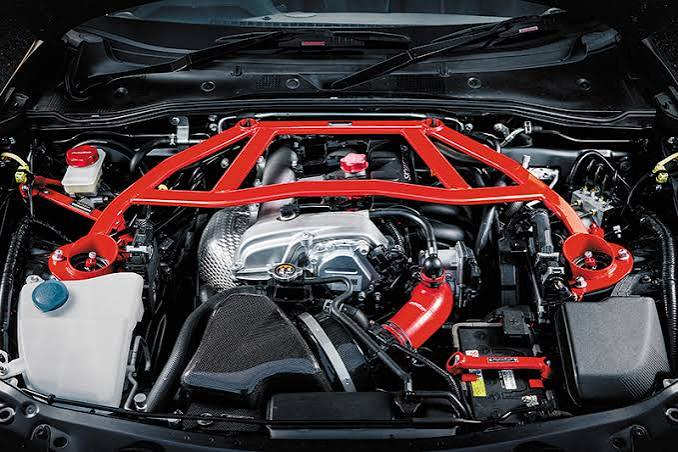
Car enthusiasts are always looking for ways to make their vehicles more enjoyable to drive and more distinctive on the road. Whether the goal is sharper handling, stronger tuning parts performance, or a more aggressive appearance, the right tuning parts can transform an ordinary vehicle into something that feels and looks truly personal. Modern upgrades range from suspension components and performance exhaust systems to custom wheels, bodykits, bumpers, and grilles.
Choosing the right parts is important because every modification can affect the vehicle’s performance, comfort, appearance, or reliability. A well-planned combination of upgrades can create a balanced vehicle that performs better while maintaining a practical driving experience.
Understanding the Purpose of Tuning Parts
Tuning parts are aftermarket components designed to improve or customize different aspects of a vehicle. Some products focus primarily on performance, while others are intended to enhance appearance. Many upgrades can accomplish both.
Performance-focused modifications can improve acceleration, braking, cornering, steering response, and overall driving dynamics. Appearance upgrades can give a car a sportier, cleaner, or more aggressive design.
Before purchasing any component, car owners should consider their goals, vehicle model, budget, and driving conditions. A modification that works well on a track-focused vehicle may not be the best choice for a daily driver.
Suspension Upgrades for Better Handling
One of the most effective ways to improve handling is upgrading the suspension. Factory suspension systems are generally designed to provide a balance between comfort, stability, and everyday usability. Enthusiasts who want more responsive handling can consider performance-oriented suspension components.
Lowering springs can reduce ride height and lower the vehicle’s center of gravity. This can provide a sportier appearance while potentially improving cornering characteristics. Coilovers offer greater adjustment possibilities, allowing drivers to fine-tune ride height and, depending on the system, damping settings.
Sway bars, also known as anti-roll bars, can also contribute to improved cornering behavior by reducing body roll. Upgraded bushings and other suspension components may provide more precise movement and steering response.
However, suspension modifications should be selected as a complete system rather than simply choosing the most aggressive component available. Proper installation and alignment are essential for maintaining predictable handling.
Wheels and Tires for Performance and Style
Wheels are among the most noticeable upgrades on any vehicle. Custom wheels can completely change the appearance of a car while also influencing handling characteristics.
Lightweight wheels can reduce unsprung mass, which may help suspension components respond more effectively to road surfaces. Wheel width and diameter also affect tire selection and the vehicle’s overall driving characteristics.
Tires are equally important. High-quality performance tires can provide improved grip during cornering, acceleration, and braking. The correct tire size should always match the vehicle’s specifications and the chosen wheels.
Fitment is another major consideration. Wheel offset, width, diameter, and clearance should be checked carefully before installation. Incorrect fitment can cause rubbing, poor handling, or other problems.
Performance Exhaust Systems
An exhaust upgrade is another popular modification among enthusiasts. A performance exhaust system can improve exhaust flow and may help an engine operate more efficiently when combined with other appropriate modifications.
Exhaust systems can also change the vehicle’s sound, giving it a deeper or sportier character. Different systems are available for various preferences, from relatively subtle improvements to more noticeable performance-oriented designs.
When selecting an exhaust, owners should consider local noise and emissions regulations. A quality system should provide a suitable balance between sound, performance, durability, and everyday comfort.
Engine Performance Upgrades
For drivers who want additional power, there are several types of performance modifications to consider. Depending on the vehicle, options may include improved intake systems, intercoolers, exhaust components, engine management tuning, and other supporting upgrades.
A performance air intake can be designed to improve airflow to the engine. On turbocharged vehicles, an upgraded intercooler may help manage intake temperatures under demanding conditions.
Engine tuning can also modify how the engine responds and delivers power. However, performance modifications should be matched carefully with the vehicle’s engine, transmission, cooling system, and fuel requirements.
Rather than focusing only on maximum horsepower, enthusiasts should consider how power is delivered. A well-balanced setup can provide responsive acceleration while remaining comfortable and dependable for regular driving.
Brake Upgrades for Added Control
Increasing engine performance without considering braking capability is not an ideal approach. Brakes are essential for controlling a vehicle, particularly when modifications increase performance.
Performance brake pads can offer improved braking characteristics under demanding conditions. Larger brake rotors and upgraded calipers may also be suitable for certain applications.
Brake upgrades should be selected according to the vehicle and intended use. A daily driver, weekend performance car, and track vehicle can have very different braking requirements.
Regular inspection is also important. Brake components should be checked for wear, and any unusual vibration, noise, or changes in braking performance should be addressed promptly.
Bodykits for a More Aggressive Appearance
Not every enthusiast modifies a vehicle solely for performance. Exterior styling is an important part of automotive customization, and bodykits are among the most popular visual upgrades.
A bodykit can include components such as front bumpers, rear bumpers, side skirts, spoilers, and other exterior elements. These parts can give a vehicle a lower, wider, or more aggressive appearance.
Quality and fitment are particularly important when purchasing exterior components. Properly designed parts should align with the vehicle’s body panels and allow for a professional installation.
Bodykits can also complement other modifications. Custom wheels, a carefully selected paint finish, upgraded lighting, and subtle aerodynamic components can work together to create a cohesive appearance.
Grilles, Bumpers, and Exterior Details
Smaller exterior upgrades can make a significant difference without completely changing the vehicle’s design. Custom grilles can provide a more distinctive front-end appearance, while upgraded bumpers can create a sportier profile.
Other styling options include spoilers, diffusers, side skirts, mirror covers, and trim pieces. These components allow owners to customize their cars according to their preferred style.
The best results usually come from selecting parts that complement the original design rather than adding unrelated elements. A balanced appearance can make a modified vehicle look more refined and professionally built.
Choosing the Right Tuning Parts
Selecting suitable tuning parts requires more than choosing products based on appearance or popularity. Vehicle compatibility should always be the first consideration.
Owners should check the exact make, model, year, engine specification, and trim level before ordering parts. Installation requirements should also be reviewed carefully.
For example, a wheel that fits one version of a vehicle may not provide suitable clearance on another. Similarly, suspension and exhaust components can differ between engine configurations.
Quality should also be considered. Reliable manufacturers generally provide better materials, more consistent fitment, and clearer installation information. Spending slightly more on a well-designed component can be worthwhile compared with replacing a poorly fitting or unreliable product.
Creating a Balanced Modification Setup
The most successful vehicle builds usually combine performance and styling modifications rather than focusing on one area alone. Suspension upgrades can improve handling, performance tires can increase grip, and brake improvements can provide better control.
At the same time, custom wheels, bodykits, bumpers, and grilles can transform the exterior appearance. When these upgrades are selected carefully, the result can be both attractive and functional.
It is also important to modify a vehicle progressively. Starting with basic improvements allows drivers to understand how each change affects the car before adding more advanced components.
Final Thoughts
The right tuning parts can improve several aspects of a vehicle, from handling and braking to engine response and exterior style. Suspension upgrades can create sharper cornering, performance wheels and tires can improve grip, and engine and exhaust modifications can enhance driving performance. Meanwhile, bodykits, bumpers, grilles, and other exterior components can give a vehicle a unique personality.
The key is choosing compatible, quality components and installing them correctly. Whether the goal is a subtle daily-driver upgrade or a more dramatic enthusiast build, thoughtful planning can help create a vehicle that looks impressive, performs confidently, and remains enjoyable to drive.
