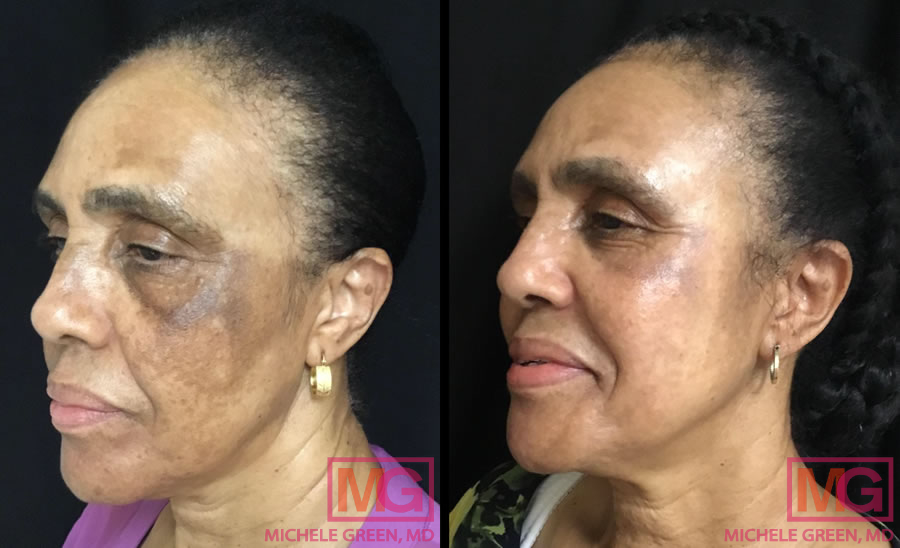
Understanding Hyperpigmentation in Modern Dermatology
Hyperpigmentation is one of the most common skin concerns treated in dermatology clinics today. It appears as dark patches or uneven skin tone caused by excess melanin production. Factors such as sun exposure, hormonal changes, inflammation, acne scars, and aging all contribute to its development. In 2026, treatment approaches have become significantly more advanced, with a strong focus on precision, safety, and long-term results.
Among all available options, Laser Treatments for Hyperpigmentation have emerged as one of the most effective solutions. These treatments target pigment directly within the skin layers, helping to break it down and restore a more even complexion.
How Laser Treatments for Hyperpigmentation Work
Laser Treatments for Hyperpigmentation use focused beams of light energy that penetrate the skin and target melanin clusters. The laser energy breaks these pigment clusters into smaller particles, which are then naturally eliminated by the body’s immune system.
Different types of lasers are used depending on the severity and type of pigmentation. Some lasers work on the surface layer of the skin, while others penetrate deeper layers to treat stubborn pigmentation such as melasma or post-inflammatory hyperpigmentation.
Modern dermatology in 2026 has introduced highly refined laser systems that minimize damage to surrounding tissues. This makes Laser Treatments for Hyperpigmentation safer and more efficient than ever before.
Types of Advanced Laser Technologies Used in 2026
Fractional Lasers for Precision Treatment
Fractional lasers are widely used because they treat small sections of skin at a time, leaving surrounding tissue untouched. This promotes faster healing and reduces downtime. These lasers are especially effective for acne-related pigmentation and uneven skin tone.
Q-Switched Lasers for Deep Pigmentation
Q-switched technology is known for targeting deeper pigment deposits. It delivers short, high-energy pulses that break down melanin without damaging the skin surface. Laser Treatments for Hyperpigmentation using Q-switched systems are commonly used for stubborn dark spots and melasma.
Picosecond Lasers for Faster Results
Picosecond lasers represent one of the most advanced innovations in dermatology. They deliver ultra-short bursts of energy, shattering pigment into microscopic particles. Compared to older technologies, these lasers offer faster results with fewer sessions and reduced risk of post-treatment inflammation.
Non-Ablative Lasers for Gentle Skin Renewal
Non-ablative lasers heat the underlying skin tissue without damaging the outer layer. This stimulates collagen production and gradually reduces pigmentation. They are ideal for individuals with sensitive skin or mild discoloration.
Benefits of Laser Treatments for Hyperpigmentation
Laser Treatments for Hyperpigmentation offer several advantages over traditional methods like creams, chemical peels, or microdermabrasion.
One of the most important benefits is precision. Lasers can specifically target pigmented areas without affecting surrounding healthy skin. This reduces the risk of irritation and uneven results.
Another major benefit is long-lasting improvement. While topical treatments often require continuous use, Laser Treatments for Hyperpigmentation can provide more permanent results when combined with proper skincare and sun protection.
Additionally, these treatments improve overall skin texture. Many patients notice smoother, brighter, and more youthful-looking skin after completing their sessions.
What to Expect During the Procedure
A typical Laser Treatments for Hyperpigmentation session begins with a skin consultation. A dermatologist evaluates the type and depth of pigmentation before selecting the appropriate laser device.
During the procedure, protective eyewear is provided, and a cooling gel may be applied to reduce discomfort. The laser device is then passed over the affected areas, delivering controlled pulses of energy.
Most patients describe the sensation as mild warmth or a light snapping feeling. Depending on the size of the treatment area, a session can last anywhere from 15 minutes to an hour.
Recovery and Aftercare in 2026
Recovery from Laser Treatments for Hyperpigmentation is generally quick, especially with newer technologies. Mild redness, swelling, or sensitivity may occur but usually subsides within a few days.
Proper aftercare is essential for achieving optimal results. Patients are advised to avoid direct sun exposure, use broad-spectrum sunscreen, and follow a gentle skincare routine. Hydration and skin barrier repair products are often recommended to support healing.
In 2026, dermatologists increasingly use AI-based skincare tracking apps to monitor recovery progress and adjust aftercare routines for better outcomes.
Possible Side Effects and Safety Considerations
Although Laser Treatments for Hyperpigmentation are considered safe, some side effects may occur. These can include temporary redness, mild swelling, or slight skin peeling.
In rare cases, improper use of laser settings can lead to temporary darkening or lightening of the skin. This is why it is crucial to undergo treatment only with certified and experienced dermatologists.
Advancements in technology have significantly reduced risks, making Laser Treatments for Hyperpigmentation one of the safest cosmetic procedures available today.
Who Is an Ideal Candidate for Laser Treatments for Hyperpigmentation
Not everyone is an immediate candidate for laser therapy. Ideal candidates are individuals with stable skin conditions and realistic expectations.
People with sun-induced pigmentation, age spots, acne scars, or melasma often benefit the most. However, those with very dark skin tones or active skin infections may require special evaluation before starting treatment.
A professional consultation is always necessary to determine the most suitable approach.
Results and Longevity of Treatment
Results from Laser Treatments for Hyperpigmentation vary depending on skin type, pigmentation depth, and number of sessions. Most patients begin to see visible improvement after 2 to 4 sessions.
Over time, skin appears brighter, more even-toned, and healthier. However, maintenance is important. Sun protection, healthy skincare habits, and occasional follow-up sessions help preserve long-term results.
In 2026, combination therapies—such as lasers combined with topical antioxidants or skin boosters—are becoming more common for enhanced and lasting effects.
Future of Laser Treatments for Hyperpigmentation
The future of Laser Treatments for Hyperpigmentation is highly promising. With advancements in AI-assisted dermatology, personalized laser settings are now being developed to match individual skin biology.
Researchers are also working on lasers that can selectively target only damaged pigment cells while leaving healthy cells completely untouched. This will further reduce side effects and improve precision.
As technology continues to evolve, Laser Treatments for Hyperpigmentation will become even more efficient, accessible, and tailored to individual needs.
Conclusion
Laser Treatments for Hyperpigmentation have transformed the way skin discoloration is treated in modern dermatology. With advanced technologies like fractional, Q-switched, and picosecond lasers, patients now have access to safer, faster, and more effective solutions than ever before.
