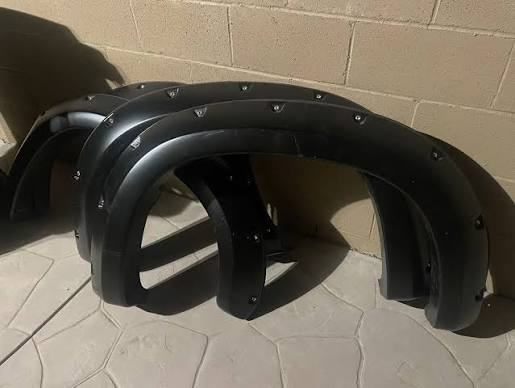
A truck is more than just a practical vehicle. For many owners, it is a reflection of personal style, driving needs, and outdoor lifestyle. Whether you use your truck for daily fender flares commuting, off-road adventures, hauling, or work, the right upgrades can improve both its appearance and functionality. One of the most effective upgrades to consider is installing fender flares. These accessories can give your truck a more aggressive appearance while providing useful protection around the wheel wells.
Choosing the right fender flares involves more than simply selecting a style that looks good. You need to consider fitment, material, coverage, installation, and the type of driving you regularly do. With the right choice, fender flares can complement your truck’s design while helping protect its body from road debris, mud, and other hazards.
What Are Fender Flares?
Fender flares are extensions mounted around a vehicle’s wheel arches. They increase the visible coverage around the tires and can help shield the truck’s body from mud, dirt, rocks, and water thrown outward by the wheels.
They are available in various shapes, sizes, finishes, and designs. Some have a smooth factory-style appearance, while others feature a rugged off-road design. Certain models are designed specifically for trucks with larger aftermarket wheels and tires, making them useful for customized builds.
Beyond their protective function, fender flares can also change the overall appearance of a truck. They can make the vehicle look wider, stronger, and more capable, particularly when combined with off-road tires or suspension upgrades.
Why Choose Fender Flares for Your Truck?
One of the biggest advantages of fender flares is their ability to combine style with practical protection. When larger tires extend beyond the original wheel arches, they can expose the truck’s paintwork to dirt, stones, and water. Properly fitted flares can provide additional coverage around the wheel area.
They can also help create a more balanced appearance. Trucks equipped with larger wheels and tires can sometimes look incomplete without additional wheel-arch coverage. Fender flares help visually connect the body with the wheels, creating a more purposeful design.
For off-road enthusiasts, this combination of appearance and protection can be particularly useful. Trails can expose a vehicle to mud, gravel, branches, and other debris, so additional wheel-area protection can be valuable.
Types of Fender Flares
There are several popular styles of fender flares, and each offers a different appearance and level of coverage.
Pocket-Style Fender Flares
Pocket-style flares feature visible bolts or bolt-style accents along the outer surface. They are especially popular on trucks with rugged or off-road builds. Their bold appearance can give a vehicle a tough and customized look.
OE-Style Fender Flares
OE-style flares are designed to resemble factory equipment. They generally offer a cleaner and more subtle appearance, making them a good choice for drivers who want additional coverage without dramatically changing the truck’s original design.
Extended Fender Flares
Extended flares provide additional coverage around the tires. They can be particularly useful for trucks equipped with wider wheels or tires. Before installation, always check local regulations regarding tire coverage and vehicle modifications.
Street-Style Fender Flares
Street-style designs are often smoother and more streamlined. They can enhance the truck’s appearance while maintaining a relatively clean profile. These are suitable for owners who prioritize aesthetics and everyday driving.
Choosing the Right Material
Material is another important consideration when selecting fender flares. Many products are made from durable plastic or composite materials designed to withstand normal road conditions.
ABS plastic is commonly used because it can provide a balance of strength, flexibility, and lightweight construction. Other materials and reinforced designs may be available for drivers who frequently use their trucks in demanding environments.
The finish is also worth considering. Textured black finishes are popular because they provide a rugged appearance and can complement many truck colors. Smooth finishes may be easier to paint if you want the flares to match your truck’s body.
Consider Fitment Before Buying
Fitment should always be one of your top priorities. Fender flares are usually designed for specific truck makes, models, and model years. Even trucks that appear similar may have differences in body shape, wheel arches, or mounting points.
Before purchasing, verify that the product is designed for your exact vehicle. Also consider whether your truck has aftermarket wheels, tires, suspension modifications, or other accessories that could affect installation.
A properly fitted flare should sit securely against the body and provide the intended coverage without interfering with the tires or suspension components.
Installation Tips for Fender Flares
Installing fender flares can range from relatively simple to more involved, depending on the vehicle and product. Many models are designed to use existing mounting points, while others may require additional hardware or modifications.
Start by carefully reading the manufacturer’s instructions. Clean the mounting area thoroughly before installation so dirt and debris do not interfere with proper positioning.
Test-fit each flare before tightening the hardware. This allows you to confirm alignment and make adjustments if necessary. Tighten fasteners evenly rather than applying excessive force to one area.
If the installation requires drilling, cutting, or significant body modifications, consider having the work performed by a qualified automotive professional. Correct installation helps ensure that the flares remain secure during regular driving.
Maintaining Your Fender Flares
Proper maintenance can help keep your fender flares looking good for years. Regularly wash them to remove mud, road salt, dirt, and other contaminants. A mild automotive soap and a soft cleaning tool are generally sufficient for routine cleaning.
Inspect the mounting hardware occasionally, especially if you frequently drive on rough roads or trails. Look for loose fasteners, cracks, or signs that a flare has shifted from its original position.
Avoid harsh cleaning chemicals that may damage the finish. If your flares have a textured surface, use products specifically designed for exterior automotive plastics when necessary.
Combining Style With Performance
Fender flares work especially well as part of a larger truck customization project. Pairing them with suitable wheels and tires can create a cohesive appearance while providing the clearance and coverage needed for your setup.
However, modifications should always be considered as a complete system. Wheel offset, tire width, suspension height, and flare coverage can all affect how the finished truck looks and performs.
The goal is to create a setup that is visually appealing while remaining practical and safe for everyday use.
Final Thoughts
The right fender flares can transform a truck from ordinary to distinctive while adding useful protection around the wheel areas. With numerous styles, materials, and coverage options available, truck owners can choose a design that matches their vehicle and driving requirements.
Before buying, focus on accurate fitment, tire coverage, material quality, installation requirements, and overall design. Whether you want a rugged off-road appearance or a clean factory-inspired look, the right fender flares can be an effective upgrade.
When selected and installed properly, they offer a combination of style, protection, and functionality that can make your truck better suited to both everyday roads and weekend adventures.
