Investing in a home elevator can significantly enhance the convenience, accessibility, and value of your property. However, understanding the costs involved is crucial before making this commitment. The home elevator price can vary widely depending on multiple factors such as type, installation complexity, and additional features. This guide will provide a detailed breakdown of what to expect when budgeting for vertical mobility in your home.
Factors Influencing Home Elevator Price
Type of Elevator
The type of elevator you choose is one of the most significant determinants of cost. There are several common types available for residential use:
Hydraulic Elevators
Hydraulic elevators use a hydraulic piston to lift the cabin and are ideal for homes with a basement or multi-story design. They generally offer smooth rides and can support higher weight capacities. The home elevator price for hydraulic models typically ranges from $20,000 to $50,000, including installation.
Traction Elevators
Traction elevators operate using cables and a counterweight system. They are energy-efficient and often quieter than hydraulic models. However, they require a machine room, which can add to installation costs. Home elevator price for traction systems usually falls between $25,000 and $60,000.
Pneumatic or Vacuum Elevators
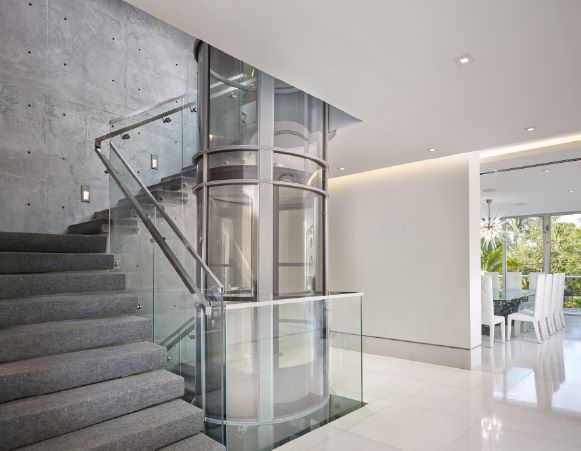
These elevators are visually striking and use air pressure to move the cabin. They require minimal space and do not need a traditional shaft. Pneumatic elevators are generally more affordable, with prices ranging from $18,000 to $45,000.
Number of Floors
The number of floors your elevator will serve has a direct impact on the home elevator price. More floors require a taller shaft, additional cabling, or a stronger hydraulic system, all of which increase costs. A two-story installation will usually cost less than a three- or four-story installation due to reduced material and labor requirements.
Cab Size and Capacity
Cabin dimensions and weight capacity affect both the cost of the elevator and its installation. A standard two-passenger cabin is less expensive than a larger four- or six-passenger design. Custom cab sizes or luxury finishes, such as glass panels, stainless steel, or high-end wood, can significantly increase the home elevator price.
Customization and Design
Homeowners often choose to customize elevators to match interior décor. Options include custom lighting, flooring, wall panels, and handrails. While customization enhances aesthetics and comfort, it also increases the overall cost. Premium finishes and intricate design details can add several thousand dollars to the home elevator price.
Installation Complexity
The complexity of the installation process also plays a role in cost. If your home requires significant structural modifications, such as cutting through floors or reinforcing ceilings, labor costs will rise. Additionally, older homes may require updates to electrical systems or reinforcement of walls, further affecting the home elevator price.
Additional Costs to Consider
Electrical and Mechanical Work
Elevators require dedicated electrical wiring and, in some cases, specialized mechanical equipment. The costs for these services are typically not included in the base price of the elevator. Depending on the complexity, electrical and mechanical work can range from $2,000 to $10,000.
Permits and Inspections
Local building codes often mandate permits and inspections for home elevators. Permit costs vary by region and may include additional fees for engineering assessments. Expect to pay anywhere from $500 to $3,000 in permit and inspection costs.
Maintenance and Service
While not an upfront cost, ongoing maintenance is essential to ensure safety and reliability. Annual maintenance contracts generally cost between $300 and $700, depending on the type of elevator and service provider. Factoring in these costs is crucial when calculating the total investment in vertical mobility.
Financing and Budgeting Tips
Planning Your Budget
When budgeting for a home elevator, consider both the base cost and additional expenses. Home elevator price alone is not the complete picture. Include installation, permits, maintenance, and customization costs in your financial plan to avoid unexpected expenses.
Financing Options
Many homeowners choose to finance their home elevator through personal loans, home equity lines of credit, or specialized financing programs offered by elevator manufacturers. Understanding your financing options can help manage upfront costs and make the investment more manageable.
Cost vs. Value
Although home elevators represent a significant investment, they can increase your home’s resale value and appeal. For households with elderly residents or individuals with mobility challenges, the convenience and safety provided by a home elevator often outweigh the initial expense. Consider the long-term benefits in terms of accessibility, comfort, and property value.
Comparing Costs Across Providers
When evaluating different suppliers, it is important to compare quotes carefully. Some providers may advertise lower home elevator price points but exclude essential costs such as installation, wiring, or permits. Requesting a detailed breakdown of the quote ensures there are no hidden fees and allows for an accurate comparison between providers.
Warranty and Support
A reliable warranty and strong customer support are critical factors in choosing a home elevator provider. Some companies offer extended warranties covering mechanical and electrical components, which can save money on repairs over time. Always factor warranty terms into your decision, as they indirectly affect the total cost of ownership.
Reviews and References
Researching customer reviews and requesting references can provide insight into a company’s reliability, installation quality, and service responsiveness. Choosing a reputable provider ensures that the home elevator price you pay reflects quality craftsmanship and reliable performance.
Conclusion
Investing in a home elevator is a significant financial decision that requires careful consideration of multiple factors. The home elevator price varies widely based on elevator type, number of floors, cabin size, customization, and installation complexity. Additional expenses such as electrical work, permits, and ongoing maintenance should also be included in your budget.
