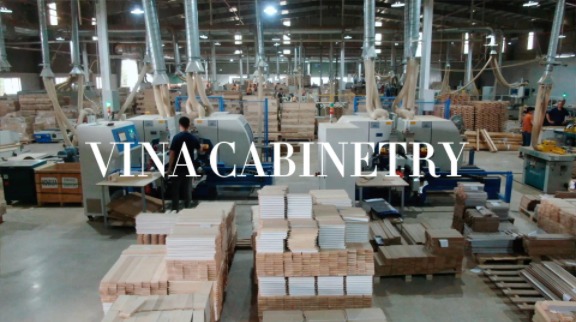
The kitchen has always been the heart of the home, and kitchen cabinets play a pivotal role in defining both its aesthetics and functionality. As homeowner preferences evolve and technology advances, kitchen cabinet manufacturing has witnessed significant transformations. Leading kitchen cabinet factories are adopting innovative approaches, materials, and processes to meet modern demands. This article explores the top trends shaping the kitchen cabinet industry today, offering insights into what is driving change and what consumers can expect in the future kitchen cabinet factory.
Emphasis on Sustainability and Eco-Friendly Materials
Sustainability is no longer optional in manufacturing; it is a necessity. Modern kitchen cabinet factories are increasingly prioritizing eco-friendly materials and production techniques. From using reclaimed wood to low-VOC paints and adhesives, manufacturers are reducing the environmental footprint of their operations. Bamboo and other fast-growing, renewable materials are gaining popularity due to their durability and aesthetic appeal.
Leading factories are also investing in energy-efficient machinery, reducing waste through precise cutting technologies, and implementing recycling programs. Consumers are becoming more conscious of the environmental impact of their choices, and factories that offer eco-friendly kitchen cabinets are seeing increased demand. The trend toward sustainability is reshaping how factories source raw materials, design products, and communicate their environmental commitments to customers.
Integration of Smart Technology
Smart kitchens are no longer a futuristic concept; they are becoming mainstream. Kitchen cabinet factories are now integrating smart technology into their designs. Cabinets with built-in lighting, automated opening mechanisms, and modular storage systems controlled via mobile apps are increasingly popular.
Some manufacturers are experimenting with IoT-enabled cabinets that can track inventory, suggest recipes based on available ingredients, and even monitor appliance usage. The integration of technology not only enhances convenience but also contributes to a modern, high-tech kitchen aesthetic. As more consumers embrace connected home solutions, kitchen cabinet factories are adapting to meet this growing demand.
Customization and Personalization
Personalization has become a cornerstone of kitchen cabinet design. Homeowners want cabinets that reflect their individual style and fit their specific needs. Kitchen cabinet factories are responding by offering a wide range of customizable options, from finishes and colors to hardware and layout configurations.
Advanced manufacturing techniques such as CNC machining and digital design tools allow factories to produce highly customized pieces efficiently. Whether it’s adjusting cabinet heights, creating unique storage solutions, or matching cabinetry to existing home décor, customization is now a critical factor in the decision-making process. Factories that provide flexible solutions and rapid prototyping are gaining a competitive edge in the market.
Focus on Space Optimization
Modern homes, particularly in urban areas, often contend with limited kitchen space. Kitchen cabinet factories are increasingly designing solutions that maximize storage without compromising style. Innovative layouts, pull-out drawers, corner carousels, and vertical storage units are examples of trends that optimize every inch of space.
Multi-functional cabinets are also gaining traction, serving dual purposes such as hidden pantry storage, integrated waste management systems, or concealed appliance garages. This emphasis on efficiency appeals to homeowners who want to maintain a clutter-free and organized kitchen while still enjoying high-quality cabinetry.
High-Quality Finishes and Durable Materials
Aesthetic appeal and durability remain crucial considerations for consumers. Leading kitchen cabinet factories are investing in advanced finishing techniques that enhance both the appearance and longevity of their products. Matte, high-gloss, and textured finishes are popular, providing options that cater to contemporary, traditional, and eclectic kitchen designs.
Durable materials like engineered wood, MDF with veneer finishes, and metal accents are being used to create cabinets that withstand daily wear and tear. Scratch-resistant coatings and water-resistant surfaces ensure that cabinets maintain their beauty over time. Factories that emphasize quality control in every production stage are setting themselves apart in a competitive market.
Streamlined Production Through Automation
Automation is transforming the way kitchen cabinet factories operate. Advanced machinery, robotics, and software-driven production lines allow factories to manufacture cabinets with greater precision, consistency, and speed. Automated cutting, assembly, and finishing systems reduce human error, minimize waste, and improve overall efficiency.
This trend also enables factories to scale production without sacrificing quality, meeting the demands of both mass-market consumers and custom projects. Automation allows for rapid prototyping and iterative design improvements, helping factories stay ahead in a rapidly evolving industry.
Adoption of Minimalist and Modern Designs
Contemporary kitchen trends favor clean lines, simplicity, and functional elegance. Leading factories are producing cabinets that reflect these minimalist aesthetics, emphasizing sleek surfaces, hidden handles, and neutral color palettes.
Modern cabinet designs often incorporate open shelving, glass-fronted doors, and integrated lighting to create visually appealing and airy kitchen spaces. The focus is on creating harmony between form and function, with cabinets that complement appliances, countertops, and flooring while offering practical storage solutions.
Emphasis on Health and Safety Standards
Consumer awareness of health and safety has significantly increased, influencing manufacturing practices in the kitchen cabinet industry. Factories are adhering to stricter standards for materials, finishes, and adhesives to ensure they are free from harmful chemicals. Certifications such as CARB2 compliance for formaldehyde emissions are becoming standard in high-quality production facilities.
By prioritizing health-conscious practices, kitchen cabinet factories not only comply with regulations but also build trust with consumers who are increasingly concerned about indoor air quality and long-term health implications.
Collaboration with Designers and Architects
The most successful kitchen cabinet factories are collaborating closely with interior designers and architects to meet evolving design trends. This collaboration ensures that cabinets are not only functional but also harmonize with broader design concepts.
Through partnerships, factories can anticipate upcoming trends, experiment with innovative materials, and create solutions tailored to niche markets. This synergy between design professionals and manufacturers is resulting in kitchen cabinets that are visually striking, highly functional, and perfectly suited to modern lifestyles.
Conclusion
The kitchen cabinet manufacturing industry is undergoing a remarkable transformation driven by sustainability, technology, customization, and design innovation. Leading kitchen cabinet factories are embracing these trends to deliver products that meet the evolving demands of consumers while maintaining high standards of quality, safety, and environmental responsibility.
From eco-friendly materials and smart technology integration to minimalist designs and space optimization, the future of kitchen cabinets promises both style and functionality. As homeowners seek solutions that reflect their personal tastes, enhance convenience, and align with modern living, kitchen cabinet factories that stay ahead of these trends will continue to thrive in an increasingly competitive market.
The kitchen of the future is not just a place to cook—it is a space that combines innovation, sustainability, and artistry, and the cabinets are at the heart of this transformation.
