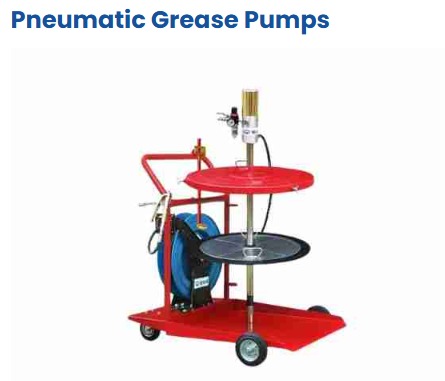
Electrical grease pumps have become a crucial tool in modern industrial maintenance, automotive applications, and machinery lubrication. The evolution of these pumps has transformed how industries manage lubrication processes, ensuring efficiency, precision, and reduced downtime. Understanding the latest innovations in electrical grease pump technology is essential for businesses looking to improve operational performance and equipment longevity.
The Role of Electrical Grease Pumps in Modern Industry
Electrical grease pumps are designed to deliver precise amounts of grease to machinery and equipment. Traditional manual grease guns often required significant effort and could result in inconsistent lubrication, leading to equipment wear and tear. Electrical grease pumps, on the other hand, provide a consistent and controlled flow of grease, making them ideal for heavy-duty applications in industries such as manufacturing, mining, construction, and automotive service.
One of the main advantages of electrical grease pumps is their ability to automate lubrication. This automation not only reduces labor costs but also minimizes human error, ensuring that machinery receives the correct amount of grease at the right intervals. By integrating these pumps into maintenance routines, businesses can prevent costly breakdowns and extend the lifespan of their equipment.
Technological Advancements in Electrical Grease Pumps
Recent innovations have significantly enhanced the functionality and efficiency of electrical grease pumps. Some of the most notable advancements include:
Smart Pump Systems
Modern electrical grease pumps are now equipped with smart technology that allows real-time monitoring and control. These pumps can be connected to centralized systems where operators can track grease levels, usage patterns, and maintenance schedules. Smart pumps also often feature programmable settings, enabling precise control over lubrication intervals and volumes. This ensures that every piece of equipment receives the exact amount of grease required, preventing over-lubrication and wastage.
High-Pressure Capabilities
Another significant innovation is the development of high-pressure electrical grease pumps. Traditional pumps often struggled with delivering grease to hard-to-reach areas or machinery operating under high loads. High-pressure models can overcome these limitations by pushing grease through long pipelines or into dense bearings with minimal effort. This capability is particularly valuable in large industrial settings where efficiency and reliability are critical.
Energy-Efficient Designs
As sustainability becomes a priority for industries worldwide, electrical grease pumps have also evolved to be more energy-efficient. Manufacturers are focusing on pumps that consume less electricity while maintaining high performance. Energy-efficient pumps not only reduce operating costs but also contribute to a lower environmental impact, aligning with modern corporate responsibility standards.
Portable and Compact Models
Portability has always been a challenge with lubrication equipment. However, recent innovations have introduced compact and lightweight electrical grease pumps that are easy to transport and operate in various settings. These portable models are ideal for fieldwork, automotive service, and small-scale industrial applications, providing flexibility without compromising performance.
Applications of Electrical Grease Pumps
Electrical grease pumps have versatile applications across different industries. In manufacturing, they are used to maintain assembly lines, conveyor systems, and heavy machinery. Consistent lubrication reduces friction, prevents overheating, and enhances the efficiency of production processes.
In the automotive sector, electrical grease pumps are invaluable for maintaining vehicles, especially in fleet management and service centers. They enable technicians to apply the right amount of grease to engines, joints, and bearings, improving vehicle performance and extending the life of parts.
In construction and mining, machinery often operates in harsh environments where lubrication is critical. Electrical grease pumps help ensure that equipment such as excavators, cranes, and bulldozers function smoothly, reducing the risk of mechanical failure and costly repairs.
Maintenance and Longevity Benefits
One of the primary benefits of using electrical grease pumps is improved maintenance management. By automating the lubrication process, these pumps reduce the need for manual intervention, which can be time-consuming and error-prone. Automated systems also allow for scheduled lubrication, meaning machinery receives care even during off-hours or periods of high workload.
Additionally, electrical grease pumps contribute to the longevity of equipment. Proper and consistent lubrication minimizes wear on moving parts, preventing premature failure and reducing the frequency of repairs. This not only saves money but also ensures uninterrupted operations, which is crucial for industries with tight production schedules.
Safety and Ergonomic Advantages
Electrical grease pumps also enhance workplace safety and ergonomics. Traditional manual grease guns can be physically demanding, especially when dealing with high-pressure applications or hard-to-reach components. Electrical pumps reduce the need for strenuous effort, lowering the risk of repetitive strain injuries among maintenance staff.
Moreover, automated lubrication systems minimize the exposure of workers to grease and other lubricants, reducing the chances of slips, skin irritation, or contamination. This makes electrical grease pumps a safer alternative in environments where hygiene and worker safety are priorities.
Choosing the Right Electrical Grease Pump
Selecting the appropriate electrical grease pump depends on several factors, including the type of machinery, lubrication requirements, and operational environment. High-volume operations may benefit from centralized systems with smart technology, while smaller workshops might prefer portable or compact models for flexibility.
It is also important to consider the pressure rating, compatibility with different types of grease, and ease of maintenance. Investing in a reliable electrical grease pump ensures long-term efficiency, cost savings, and optimal performance across various applications.
Future Trends in Electrical Grease Pump Technology
The future of electrical grease pumps looks promising, with ongoing innovations focused on automation, precision, and integration with Industry 4.0 practices. Emerging technologies such as IoT-enabled pumps, predictive maintenance systems, and AI-driven lubrication management are expected to further revolutionize industrial maintenance.
These advancements will allow companies to monitor lubrication in real-time, predict potential equipment failures, and optimize maintenance schedules. As a result, businesses can achieve higher operational efficiency, reduce downtime, and significantly cut maintenance costs.
Conclusion
Electrical grease pumps have come a long way from simple manual lubrication tools to sophisticated, automated systems that enhance industrial performance. Innovations in smart technology, high-pressure capabilities, energy efficiency, and portability have made these pumps indispensable in modern maintenance routines.
By understanding the latest advancements and choosing the right pump for specific applications, industries can ensure precise lubrication, extend equipment lifespan, and improve overall operational efficiency. Embracing electrical grease pump technology is not just about convenience—it is a strategic investment in productivity, safety, and long-term cost savings.
