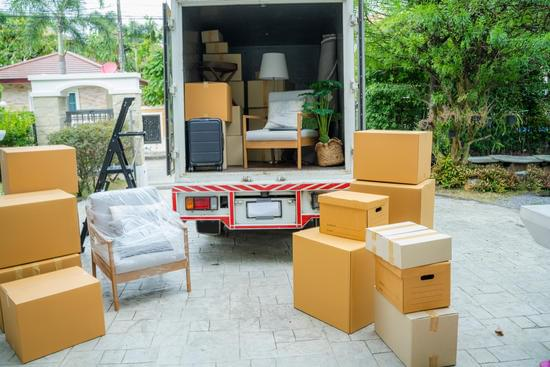
The kitchen is one of the busiest rooms in any home, and it also contains some of the heaviest and most valuable appliances you’ll need to move. Refrigerators, ovens, dishwashers, microwaves, coffee machines, and washing appliances require careful preparation before moving day to prevent damage and ensure they continue working properly after the relocation. Choosing Flyttfirma i Sverige can help make your move more efficient by ensuring your household belongings are transported safely while you focus on preparing your kitchen appliances for the journey.
Unlike ordinary kitchen utensils, appliances contain electrical components, water connections, and delicate internal mechanisms. Simply unplugging them and placing them on a moving truck isn’t enough. Proper cleaning, disconnection, and protection are essential to avoid expensive repairs or replacement costs after the move.
Preparing appliances several days before moving day also reduces stress and gives you enough time to complete important tasks such as defrosting refrigerators and disconnecting water lines.
Create an Appliance Checklist
Start by making a list of every appliance that will be moved.
Include:
- Refrigerator
- Freezer
- Oven
- Microwave
- Dishwasher
- Washing machine
- Dryer
- Coffee maker
- Air fryer
- Blender
Having a checklist ensures nothing is forgotten during preparation.
Read Manufacturer Guidelines
Every appliance has different moving recommendations.
Review the owner’s manual for instructions regarding:
- Transportation
- Cleaning
- Disassembly
- Locking moving parts
- Safety precautions
Following these recommendations helps prevent unnecessary damage.
Empty Every Appliance
Before moving, remove everything from each appliance.
This includes:
- Food
- Ice
- Water filters
- Shelves
- Loose trays
- Removable accessories
Transporting empty appliances makes them lighter and safer.
Defrost the Refrigerator
A refrigerator should be unplugged at least 24 hours before moving.
Allow enough time to:
- Melt ice completely.
- Drain excess water.
- Dry the interior thoroughly.
Leaving moisture inside may cause mold or unpleasant odors.
Clean Every Surface
After emptying appliances, clean both the interior and exterior.
Use mild cleaning products to remove:
- Food residue
- Grease
- Dust
- Spills
Clean appliances are easier to transport and install in your new home.
Secure Loose Parts
Remove or secure:
- Glass shelves
- Vegetable drawers
- Oven racks
- Microwave turntables
Wrap removable components separately using bubble wrap or towels.
Disconnect Water Lines
Appliances connected to water should be disconnected carefully.
Examples include:
- Refrigerators with ice makers
- Dishwashers
- Washing machines
Turn off the water supply before disconnecting hoses.
Drain Water Completely
Water left inside hoses or appliances can leak during transportation.
Allow all water to drain completely before packing.
This helps prevent moisture damage inside the moving truck.
Wrap Appliances Properly
Protect appliances using:
- Moving blankets
- Stretch wrap
- Bubble wrap
- Foam corner protectors
Proper protection reduces scratches and dents during transport.
Secure Electrical Cords
Power cords should never hang loosely.
Wrap cords neatly and secure them with:
- Cable ties
- Velcro straps
- Tape
Keeping cords organized prevents damage and makes installation easier.
Measure Doorways
Before moving large appliances, measure:
- Kitchen doorways
- Hallways
- Staircases
- Exterior doors
Confirm every appliance can pass through safely.
Use Proper Moving Equipment
Heavy appliances require specialized equipment.
Examples include:
- Appliance dollies
- Furniture straps
- Protective gloves
Never drag heavy appliances across finished floors.
Load Appliances Correctly
Inside the moving truck:
- Keep appliances upright whenever possible.
- Secure them using straps.
- Prevent shifting during transportation.
Proper loading reduces the risk of internal damage.
Allow Appliances to Settle
After arriving at your new home, don’t plug appliances in immediately.
Large appliances such as refrigerators should remain upright for several hours before being connected to electricity.
This allows internal fluids to stabilize.
Test Every Appliance
Once installed, test each appliance carefully.
Check:
- Electrical operation
- Water connections
- Temperature settings
- Drainage
- Unusual noises
Address any issues before regular use.
Common Mistakes to Avoid
Avoid these common appliance moving mistakes:
- Forgetting to defrost the refrigerator.
- Leaving food inside appliances.
- Transporting refrigerators on their side.
- Failing to drain water lines.
- Packing loose shelves without protection.
- Plugging appliances in immediately after moving.
Proper preparation helps prevent expensive repairs.
Frequently Asked Questions
How long before moving should I unplug my refrigerator?
It’s recommended to unplug it at least 24 hours before moving so it can fully defrost.
Should refrigerator shelves be removed?
Yes. Remove glass shelves and drawers, then wrap them separately to prevent breakage.
Can I transport a refrigerator lying down?
Keeping it upright is always the safest option because it helps protect the compressor and cooling system.
When can I plug appliances back in?
Large appliances should remain upright for several hours after transportation before being connected to power.
Final Thoughts
Preparing kitchen appliances properly before a move helps protect some of the most valuable equipment in your home. By cleaning every appliance, disconnecting water lines, securing removable parts, using protective packing materials, and transporting everything carefully, you can avoid unnecessary repairs and ensure your appliances continue working efficiently after the move.
A little preparation before moving day saves both time and money while making installation much easier in your new kitchen. With careful planning and proper handling, your appliances will arrive safely and be ready to serve your household for many years to come.
