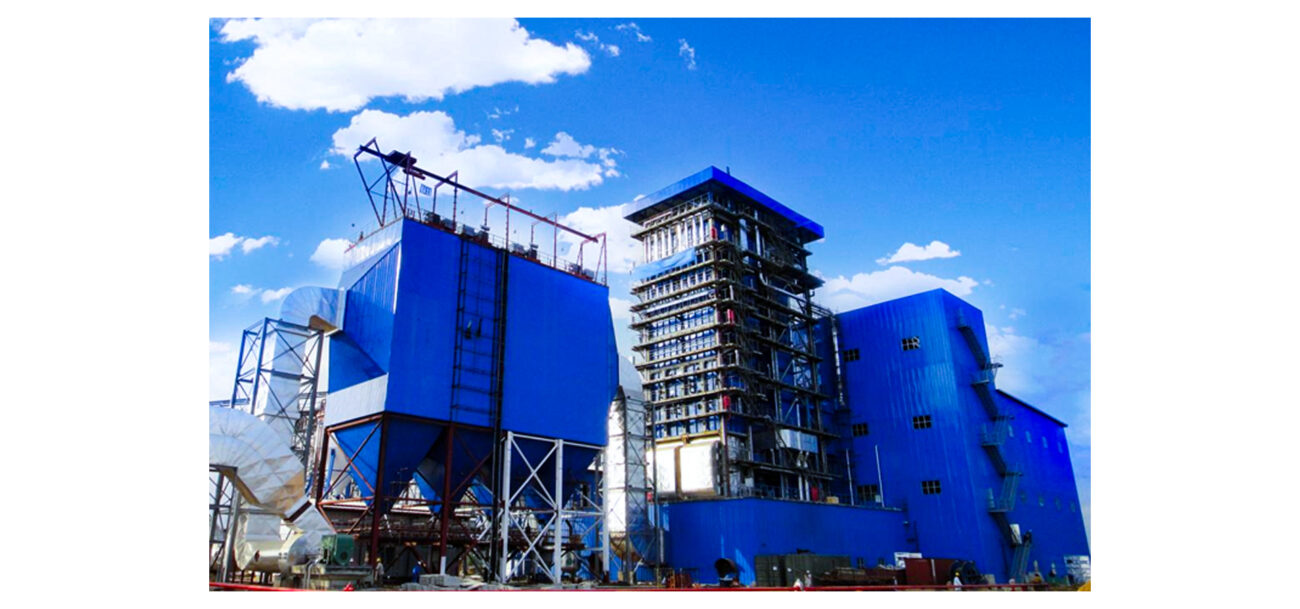
The growing global demand for sustainable energy solutions has led to an increased interest in biomass power generation. Small biomass power plants, in particular, have emerged as a practical and environmentally friendly option for communities, industries, and rural areas. Utilizing a small capacity biomass power plant EPC (Engineering, Procurement, and Construction) approach provides significant advantages in terms of efficiency, cost-effectiveness, and project management. This article explores the key benefits of small capacity biomass power plant EPC solutions and why they are becoming a preferred choice for modern energy projects.
Streamlined Project Execution with EPC Approach
One of the primary advantages of using a small capacity biomass power plant EPC solution is the streamlined project execution. EPC contractors handle the entire process, from the initial design and engineering phase to procurement of equipment and construction. This integrated approach reduces delays that often occur when multiple vendors or contractors are involved. By centralizing responsibility, project timelines become more predictable, and accountability is clear, minimizing the risk of cost overruns and inefficiencies.
With the EPC model, small biomass power plants benefit from a single point of contact, simplifying communication between the plant owner and the contractor. This is particularly important for smaller projects where resources may be limited and effective coordination is critical to ensuring a smooth start-up.
Cost Efficiency and Budget Control
Small capacity biomass power plant EPC solutions offer enhanced cost control throughout the project lifecycle. EPC contractors often have established relationships with suppliers and manufacturers, allowing them to source high-quality equipment at competitive prices. By combining engineering, procurement, and construction under one contract, these projects reduce administrative overhead, eliminate duplicated efforts, and lower overall project costs.
Additionally, the EPC approach allows for better budget predictability. Fixed-price contracts are common in EPC projects, providing project owners with a clear understanding of their financial commitment from the outset. This reduces the risk of unexpected expenses that could strain the project’s budget and ensures that small-scale biomass power generation remains a financially viable option.
Efficient Design and Engineering Solutions
The engineering expertise provided by EPC contractors is a significant benefit for small capacity biomass power plants. Proper design and engineering are crucial to optimize the performance, efficiency, and longevity of the plant. EPC contractors bring specialized knowledge in biomass technology, combustion systems, and energy conversion, ensuring that the plant is designed to meet both current and future energy demands.
Furthermore, EPC solutions enable customization according to local fuel availability and energy requirements. Small biomass plants often rely on locally sourced feedstock such as agricultural residues, wood chips, or dedicated energy crops. EPC contractors can design the plant to efficiently utilize these resources, maximizing energy output while minimizing waste.
Faster Project Implementation
Time-to-market is a critical factor for energy projects, and small capacity biomass power plant EPC solutions offer a faster implementation compared to traditional project structures. Because the EPC contractor manages all aspects of the project, coordination delays between design, procurement, and construction phases are minimized. This integrated approach ensures that small biomass power plants can begin operations sooner, allowing communities and industries to benefit from renewable energy more quickly.
In addition, EPC contractors are adept at navigating permitting and regulatory requirements, which can often delay small-scale power projects. Their experience ensures that all necessary approvals are secured efficiently, further accelerating the overall project timeline.
Reduced Operational and Maintenance Challenges
Another key benefit of small capacity biomass power plant EPC solutions is the reduction in operational and maintenance challenges. EPC contractors often provide comprehensive support packages, including training for plant personnel, commissioning services, and ongoing maintenance programs. This ensures that the plant operates efficiently from day one and maintains optimal performance over its lifespan.
Proper commissioning and training reduce the likelihood of operational errors, equipment failure, and unplanned downtime. Small biomass plants, which may have limited on-site technical expertise, particularly benefit from this level of support, ensuring reliable and consistent energy production.
Environmental and Social Advantages
Small biomass power plants provide significant environmental and social benefits, which are amplified when implemented through EPC solutions. By using organic waste materials or dedicated energy crops, these plants help reduce reliance on fossil fuels, lower greenhouse gas emissions, and contribute to a circular economy. EPC contractors design plants to meet strict environmental standards, incorporating efficient emission control technologies and waste management systems.
From a social perspective, small capacity biomass power plant EPC projects often create local employment opportunities during construction and operation. They also support rural development by utilizing local biomass resources, providing communities with a sustainable and locally controlled energy source.
Scalability and Flexibility
The modular nature of small capacity biomass power plant EPC solutions allows for scalability and flexibility. EPC contractors can design plants that are expandable, enabling owners to increase capacity in response to growing energy demand without major structural modifications. This flexibility makes small biomass plants a practical option for evolving energy needs, particularly in rural or industrial areas where electricity demand may fluctuate over time.
Additionally, EPC solutions accommodate a variety of biomass feedstocks, allowing plant owners to adapt to changes in resource availability. This adaptability ensures long-term sustainability and economic viability of the power plant.
Improved Risk Management
Risk management is an essential aspect of energy projects, and EPC solutions for small capacity biomass power plants excel in this area. By consolidating project responsibility under a single contractor, risks associated with delays, cost overruns, and technical challenges are significantly reduced. EPC contractors often employ advanced project management tools, quality assurance protocols, and contingency planning to address potential issues proactively.
This structured risk management approach provides peace of mind to investors and plant owners, making small biomass power plants a safer investment option compared to conventional project models.
Conclusion
The benefits of small capacity biomass power plant EPC solutions are multifaceted. From streamlined project execution and cost efficiency to optimized engineering, faster implementation, and reduced operational challenges, EPC solutions offer a comprehensive package for the successful development of small-scale renewable energy projects.
Furthermore, these solutions promote environmental sustainability, local economic growth, and long-term adaptability, making them an attractive choice for energy planners, industrial operators, and rural communities. By choosing a small capacity biomass power plant EPC approach, stakeholders can ensure that their investment delivers reliable, sustainable, and efficient energy while minimizing risks and maximizing social and economic benefits.
Small biomass power plants, when executed through EPC contracts, represent not just a technological solution but a strategic approach to sustainable energy development in an increasingly resource-conscious world.
