Introduction
Ventilation systems play an essential role in maintaining clean, comfortable, and healthy indoor environments. Whether installed in residential properties, offices, commercial buildings, factories, hospitals, or other facilities, these systems rely on effective filtration to remove dust, pollen, dirt, and airborne particles from the air. At the center of this process are ventilation filters, which help protect both indoor air quality and the mechanical components of the ventilation system.
However, even high-quality filters can become ineffective when they are not properly maintained. Dirty, clogged, damaged, or incorrectly installed filters can restrict airflow and place additional stress on fans, motors, heating components, and cooling equipment. Over time, poor filter maintenance may increase operating costs, reduce system performance, and shorten the lifespan of expensive equipment.
For building owners and facility managers, regular inspection and replacement of filters should therefore be an important part of routine HVAC maintenance. Understanding how neglected filters affect airflow and equipment can help prevent avoidable problems and maintain reliable ventilation performance.
How Dirty Filters Restrict Airflow
One of the most common consequences of poor filter maintenance is reduced airflow. As a filter collects dust and airborne particles, the material gradually becomes loaded with contaminants. When the filter becomes heavily clogged, air has greater difficulty passing through it.
A ventilation system is designed to move a specific volume of air through its ductwork and indoor spaces. When a dirty filter creates excessive resistance, the fan must work harder to maintain the required airflow. In many cases, the system cannot compensate completely, resulting in weaker air circulation throughout the building.
Reduced airflow can create noticeable problems. Rooms may feel stuffy, temperature control may become inconsistent, and some areas may receive insufficient fresh air. In larger buildings, employees, customers, or occupants may notice that certain spaces are warmer or cooler than others.
The problem can become more serious if clogged filters remain in place for extended periods. The increased resistance forces the ventilation system to operate under less efficient conditions, potentially causing additional wear on critical components.
Increased Strain on Fans and Motors
Fans and motors are responsible for moving air through a ventilation system. When filters are clean and operating correctly, air can pass through with an appropriate level of resistance. However, clogged ventilation filters increase the pressure that the fan must overcome.
As a result, fans may need to operate for longer periods or at higher speeds. Motors can experience increased workload, which may contribute to overheating, mechanical stress, and premature component failure. Bearings and other moving parts can also experience additional wear when equipment operates continuously under demanding conditions.
If a motor or fan fails unexpectedly, the resulting repair can be significantly more expensive than routine filter replacement. A simple maintenance task can therefore play an important role in protecting the overall ventilation system.
Higher Energy Consumption
Poor filter maintenance can also have a direct impact on energy efficiency. When airflow is restricted, the ventilation system may consume more energy to achieve the desired indoor conditions.
Fans often require additional power when operating against higher resistance. Heating and cooling equipment may also need to run longer because air is not being distributed efficiently. This combination can lead to higher electricity consumption and increased operating expenses.
For large commercial and industrial buildings, even a small decline in efficiency can result in significant additional costs over time. Regular filter inspections and timely replacement can help the system operate closer to its intended performance level.
Using the correct filter type is equally important. Different applications may require different filtration levels, such as G4, M5, F7, or F8 filters. Selecting a filter that is appropriate for the ventilation system helps balance filtration performance and airflow resistance.
Effects on Heating and Cooling Equipment
Ventilation systems are often connected to heating and cooling equipment. When filters become excessively dirty, restricted airflow can affect the performance of these components.
For example, insufficient airflow may interfere with the proper operation of heating systems and cause components to become excessively hot. In cooling applications, restricted airflow can affect temperature regulation and may contribute to operational problems.
When air cannot circulate efficiently, the entire HVAC system may need to work harder to maintain the desired indoor temperature. This can increase mechanical stress and reduce overall efficiency.
Clean ventilation filters help ensure that air moves through the system as designed. By maintaining proper airflow, building owners can help protect heating and cooling equipment from unnecessary operational strain.
Poor Indoor Air Quality
The primary purpose of ventilation filters is to capture unwanted airborne particles before they circulate through indoor spaces. When filters are neglected, their ability to perform this function may decline.
A heavily loaded filter may become less effective, particularly if it is damaged or has exceeded its recommended service life. In addition, gaps caused by incorrect installation can allow unfiltered air to bypass the filter completely.
Poor filtration can contribute to increased levels of dust and airborne particles indoors. This may be especially problematic in environments where clean air is important, including offices, schools, healthcare facilities, manufacturing areas, and commercial buildings.
Regular maintenance helps ensure that filters remain capable of performing their intended function while supporting a cleaner indoor environment.
Increased Maintenance and Repair Costs
Neglecting filter maintenance can create a chain reaction of problems. What begins as a simple clogged filter may eventually lead to reduced airflow, increased energy use, fan problems, motor wear, and failures in other HVAC components.
Replacing a filter is generally a routine maintenance task, while repairing or replacing major ventilation equipment can be considerably more expensive. Preventive maintenance is therefore often a more practical approach than waiting until equipment performance deteriorates.
Facility managers should establish a regular maintenance schedule based on the building environment, system usage, and manufacturer’s recommendations. Buildings exposed to high levels of dust, construction activity, industrial particles, or outdoor pollution may require more frequent filter inspections.
Choosing the Right Filter
Selecting suitable ventilation filters is an important part of effective maintenance. Filters should match the requirements of the ventilation system and the desired level of air cleanliness.
Different filter classes provide different levels of particle capture and airflow resistance. A higher filtration level is not automatically the best choice for every system. The filter must be compatible with the equipment’s design and airflow requirements.
For customers in Germany, an online shop can provide a broad selection of high-quality G4, M5, F7, and F8 filters for ventilation systems at competitive prices. Choosing certified products directly from a manufacturer can help businesses and property owners find suitable filtration solutions for their specific applications.
Best Practices for Filter Maintenance
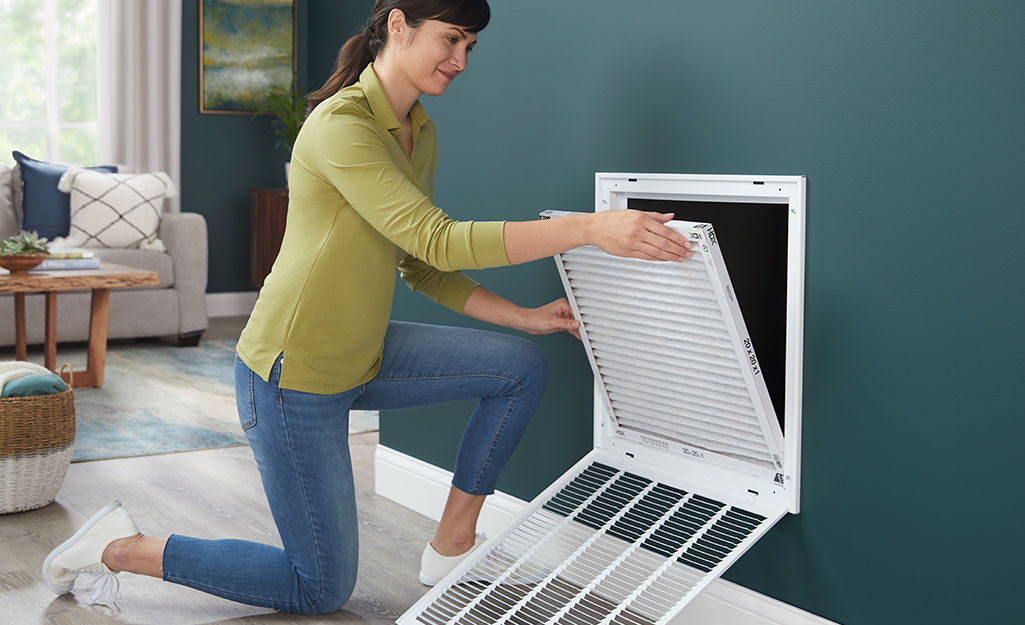
Effective filter maintenance begins with regular inspections. Filters should be checked for visible dirt, dust accumulation, damage, moisture, and signs of improper installation. A filter that appears excessively dirty should not be left in service simply because the scheduled replacement date has not arrived.
It is also important to install filters correctly. Even a high-quality filter cannot perform effectively if it is fitted incorrectly or if air can bypass it around the edges.
Maintenance records can help facility managers track replacement dates and identify patterns. If filters become clogged much faster than expected, this may indicate excessive dust levels, inadequate pre-filtration, or another issue within the ventilation system.
Following the manufacturer’s recommendations for replacement intervals is a good starting point, but actual building conditions should also be considered. Regular professional inspections can provide additional assurance that the entire system is functioning correctly.
Conclusion
Poor filter maintenance can have a significant impact on both airflow and ventilation equipment. Dirty and clogged filters increase resistance, reduce air circulation, raise energy consumption, and place additional strain on fans, motors, heating systems, and cooling equipment. Over time, these issues may contribute to higher operating costs, more frequent repairs, and reduced equipment lifespan.
Regular inspection, cleaning where appropriate, and timely replacement are essential for maintaining reliable ventilation performance. Choosing the correct filter class and ensuring proper installation are equally important steps.
By treating filter maintenance as a critical part of preventive HVAC care, building owners and facility managers can support better airflow, protect valuable equipment, improve energy efficiency, and maintain a cleaner indoor environment. Quality ventilation filters are an important investment, but their effectiveness ultimately depends on consistent and responsible maintenance.
